
A Comparative Analysis of the Dyson and Crocs Cases
Ms. Shumin He and Ms. Haiyu Li
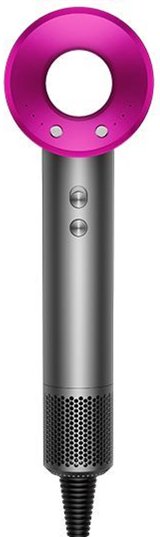
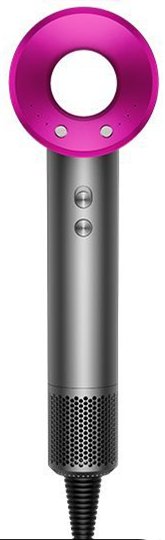
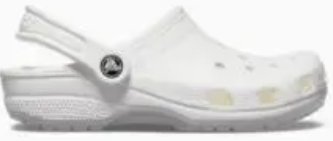
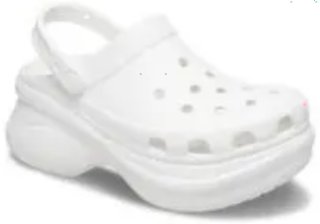
Chinese courts recently delivered two contrasting rulings in high-profile trade dress unfair competition cases. Dyson Technology Limited ("Dyson") prevailed in its claim based on the T-shaped design of its hair dryer, while Crocs, Inc. ("Crocs") had its claim regarding the trade dress of its clogs entirely dismissed during second-instance proceedings. Together, these two cases clearly delineate the boundaries and core requirements for trade dress protection under China's Anti-Unfair Competition Law, offering important guidance for corporate brand protection strategies.
I. Comparison of the Products
# | Right Holder's Product | Allegedly Infringing Product |
|---|---|---|
Dyson T-shaped Hair Dryer Case (Won) |
|
|
Crocs Clogs Case (Lost) |
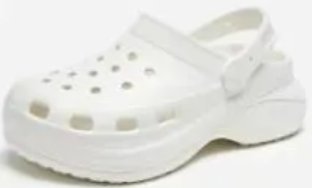
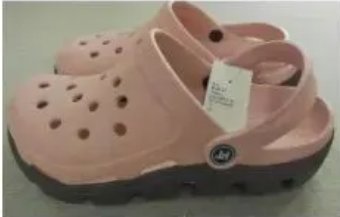
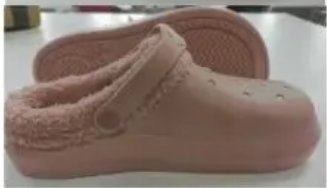
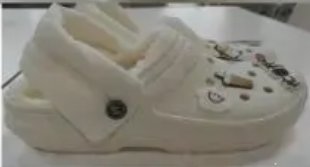
Trade dress rights in respect of five styles of clogs were claimed. |
Not fully enumerated here. |
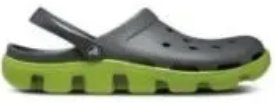
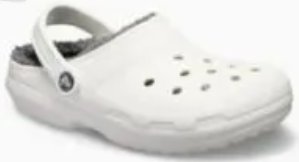
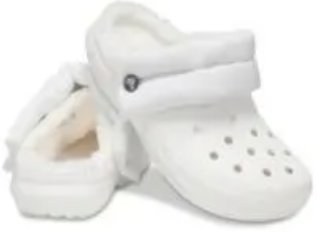
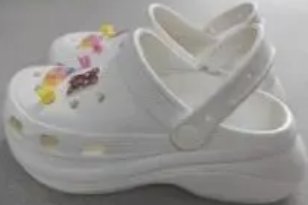
II. Comparison of Case Outcomes
For a straightforward comparison of the key facts and outcomes, we have summarized them in the table below:
# | Dyson T-shaped Hair Dryer Case | Crocs Clogs Case |
|---|---|---|
Outcome | Trade dress protection granted, with damages totaling CNY750K (≈USD110K) awarded. | Claim for trade dress protection denied. |
Rights Claimed | The design of the Dyson hair dryer, including the specific shape and color scheme of the head, the slender cylindrical handle with an annular structure below, and the T-shaped hammer-like configuration formed by the specific structural proportion between the head and the handle. | Design of five styles of clogs, which share three key common features:
|
Court’s Comments on Core Evidence |
|
|
Court's Finding | The external configuration of the Dyson hair dryer is distinct from conventional hair dryer designs. After its market launch in 2016, through years of promotion and sales, it has gained significant notoriety. Relevant consumers are able to associate this trade dress with a specific provider. It possesses the distinctiveness to identify the source of goods and qualifies as “trade dress with a certain influence” protectable under the Anti-Unfair Competition Law. | The “crocs” brand encompasses various shoe styles. The evidence provided by Crocs is insufficient to establish that, at the time of the alleged infringing acts, the trade dress of the five claimed clog styles possessed sufficient market influence and had established a stable and corresponding association in consumers' minds, serving to identify the source of the goods. |
III. Analysis of the Divergent Outcomes
We believe the markedly different results stem primarily from the following factors:
1. The Essential Distinction Between "Trade Dress Distinctiveness" and “Trademark Notoriety”
The protection of trade dress under the Anti-Unfair Competition Law focuses on safeguarding commercial identifiers with a certain influence that have already acquired source-identifying functionality. The law requires proof of the market influence of the trade dress, not merely the notoriety of the trademark.
In the Dyson case, Dyson successfully proved the notoriety of its trade dress and, through survey evidence, demonstrated that relevant consumers could identify the provider through the trade dress. In contrast, in the Crocs case, the evidence submitted primarily proved the renown of the trademark “crocs”, rather than the notoriety of the specific trade dress of the clogs in question.
2. Identification of and Challenges Posed by “Functional Design”
To qualify for protection, trade dress must also exclude shapes that are necessary to achieve a function or technical effect.
In the Dyson case, the court found that the configuration of the Dyson hair dryer was distinct from conventional designs. Other manufacturers in the industry still had ample design freedom when creating hair dryers with similar functions. Comparatively, in the Crocs case, the court considered that Crocs' own public admissions regarding the technical effects of the claimed designs negatively impacted the assessment of its "source-identifying" function.
3. Differences in Evidence Strategy and Enforcement Awareness
The comparison highlights the decisive role of evidence in litigation.
In the Dyson case, Dyson submitted evidence covering various aspects, including promotion (official website, advertising, awards), sales data (sales records, industry rankings, market share), and market surveys. Crucially, it demonstrated a relatively consistent, clear, and recognizable visual identity of its hair dryer trade dress across different promotional contexts, successfully elevating the design from a mere "external shape" to a "brand visual symbol".
In the Crocs case, while Crocs provided substantial sales and promotional evidence, it lacked precision and failed to successfully establish the independent notoriety of the trade dress itself. With only two prior enforcement cases involving trade dress protection, Crocs could not substantiate that the claimed dress had already acquired a certain level of influence before the alleged infringements. This suggests that the enforcement strategy of Crocs may have focused more on combating trademark infringement, without investing equivalent effort in building and defending its trade dress rights.
IV. Key Takeaways and Recommendations for Right Holders
These two rulings serve as both a cautionary tale and a guide for businesses. If a company seeks protection for its product's trade dress under China's Anti-Unfair Competition Law, it must shift its mindset, plan strategically in advance, and diligently collect and preserve relevant evidence in its daily operations. Upon detecting potential infringement, swift and proactive legal action is crucial. Beyond stopping the infringement, such actions help reinforce public recognition and continuously strengthen the distinctiveness, recognition, and market influence of the trade dress through the process of proving and affirming these commercial identifiers in litigation.

